June 11, 2026
A clogged drain is one of the most frustrating plumbing issues homeowners encounter. What may begin as a minor inconvenience can quickly develop into a major problem that affects your daily routine and potentially causes costly damage to your home. Whether it's a slow-draining sink, a shower that fills with water around your feet, or unpleasant odors coming from your pipes, clogged drains are often warning signs that should not be ignored.
Many homeowners assume a drain blockage will resolve itself, but clogs typically worsen over time as debris continues to accumulate. Hair, soap scum, grease, food particles, mineral deposits, and other materials can gradually narrow the inside of pipes until water can no longer flow freely. According to The Spruce, 90% of shower clogs begin with hair clumping together within the drain. This highlights how seemingly harmless everyday materials can lead to significant plumbing problems.
Recognizing the early signs of a clogged drain can help you address the issue before it escalates. While drain cleaners may help in some situations, understanding the root cause of the problem is equally important. Below are seven common signs that indicate you may have a clogged drain somewhere in your home.
1. Water Drains Slowly
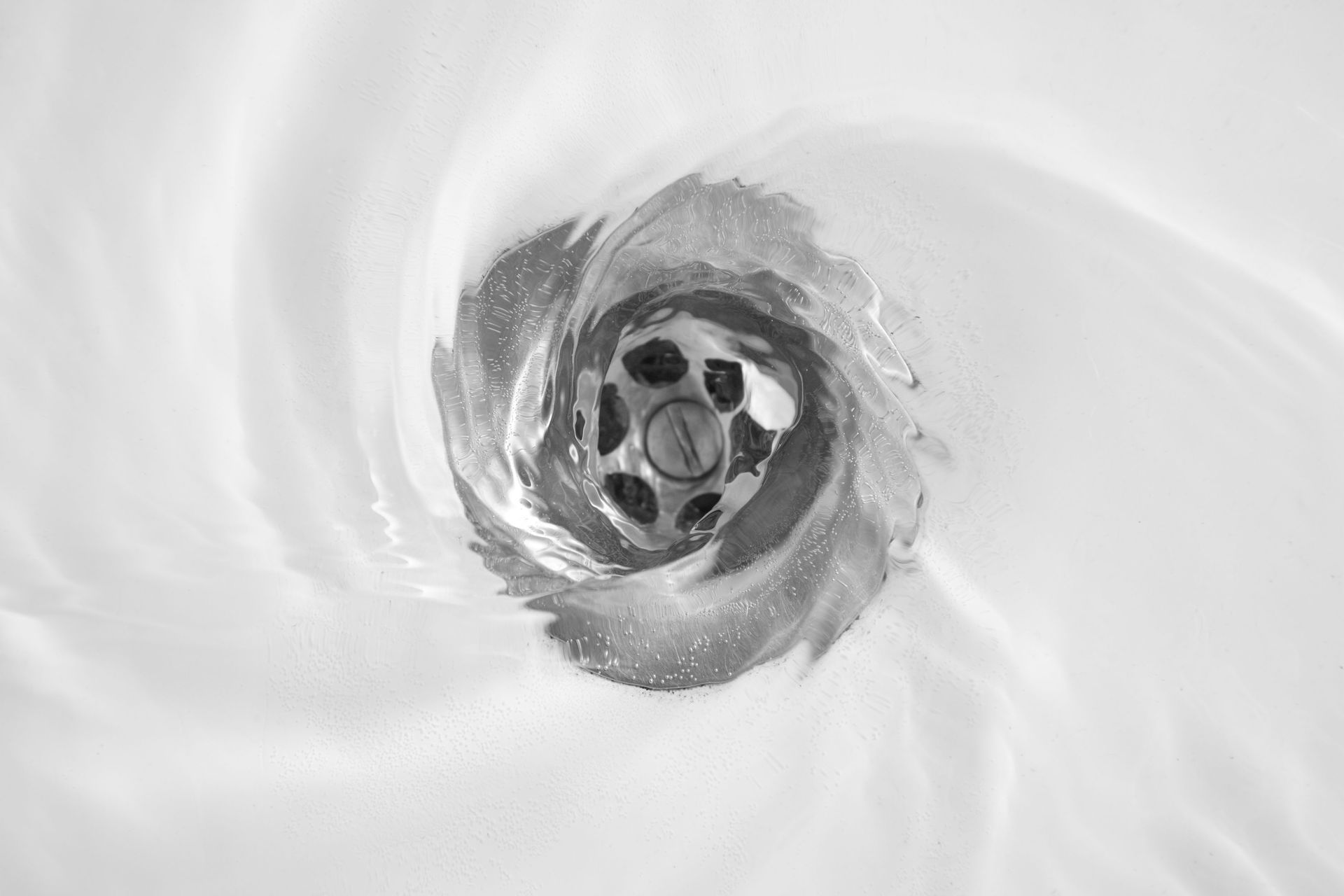
Slow drainage is often the first indication that a clog is forming. You may notice that water lingers in your sink after washing your hands, or your bathtub takes several minutes to empty after a shower. While the drain may still function, it is no longer operating efficiently. This issue typically develops when debris gradually accumulates along the inner walls of the pipe. In kitchen sinks, grease, cooking oils, and food scraps are common culprits. In bathrooms, hair, soap residue, toothpaste, and personal care products often contribute to the buildup. Over time, these materials restrict water flow and create a partial blockage.
Many homeowners turn to drain cleaners when they encounter slow drains. While drain cleaners may help dissolve certain types of buildup, they are often a temporary solution if the underlying obstruction remains. If slow drainage continues despite repeated cleaning efforts, it may be time to investigate the problem further or contact a plumbing professional.
2. Unpleasant Odors Coming from Drains
Persistent odors coming from your drains are another common sign of a developing clog. If you notice a foul smell in your kitchen or bathroom that seems to originate from the sink or shower drain, trapped debris may be decomposing inside the pipes. Food particles lodged in kitchen drains can create unpleasant odors as they break down. Similarly, hair, soap scum, and organic matter in bathroom drains can provide an environment where bacteria thrive. As these materials accumulate, they produce smells that may become increasingly noticeable throughout your home.
In some cases, homeowners attempt to eliminate odors using drain cleaners or household cleaning solutions. While these products may temporarily reduce smells, they often do not fully remove the source of the problem. A thorough cleaning may be necessary to clear the buildup and restore proper drainage.
3. Frequent Clogs
An occasional clog is common in most households, but recurring clogs should raise concern. If you find yourself repeatedly plunging the same sink or reaching for drain cleaners every few weeks, there may be a more significant blockage hidden within the plumbing system.
Frequent clogs often occur when a partial obstruction remains in the pipe after a previous cleaning attempt. Water may initially begin flowing again, but leftover debris continues to catch additional materials until the blockage returns. This cycle can become increasingly frustrating and inconvenient for homeowners. Instead of repeatedly treating the symptoms, it is important to identify and address the root cause of the problem. Professional drain inspections can help determine whether a deeper issue is responsible for the recurring blockages.
4. Gurgling Sounds From Pipes
Your plumbing system should operate quietly. If you hear bubbling, gurgling, or sucking noises coming from your drains, it could be a sign that air is trapped within the pipes due to a developing clog. When water flows through a partially blocked pipe, air pockets can become compressed and forced through narrow openings. This movement creates the distinctive gurgling sound many homeowners hear after flushing a toilet, running a sink, or draining a bathtub.
These noises often occur before a complete blockage forms, making them an important early warning sign. In some cases, the issue may involve a clogged drain vent rather than a drainpipe itself. Regardless of the cause, unusual plumbing sounds should not be ignored. While some people attempt to resolve gurgling drains with drain cleaners, the problem may require professional diagnosis if it persists. Early intervention can help prevent larger drainage issues from developing.
5. Water Backing Up Into Fixtures
Water backups are among the most serious signs of a clogged drain. Instead of flowing away through the plumbing system, wastewater reverses direction and reappears in sinks, tubs, showers, or toilets. For example, you might notice water collecting in your shower when the washing machine is running. Alternatively, flushing a toilet could cause water to rise in a nearby sink. These situations often indicate a blockage in a shared drain line that affects multiple fixtures.
Water backups create more than just inconvenience. They can expose your home to unsanitary wastewater, damage flooring and walls, and create conditions that encourage mold growth. In severe cases, extensive cleanup and repairs may be required. Although some homeowners attempt to resolve backups with drain cleaners, significant blockages often require specialized equipment. Professional plumbers can identify the location of the obstruction and safely remove it before further damage occurs.
6. Standing Water Around Drains
Standing water is a clear indication that drainage has become severely restricted. Whether it appears in a shower, bathtub, sink, or floor drain, water that refuses to drain properly should be addressed immediately. Standing water typically develops when a blockage has narrowed the pipe to the point where water can no longer move through at a normal rate. As usage continues, water accumulates faster than it can drain away.
Beyond being inconvenient, standing water can create several secondary problems. Moist environments encourage mold and mildew growth, contribute to unpleasant odors, and may attract insects such as drain flies. In addition, prolonged exposure to water can damage flooring materials and surrounding structures. Using drain cleaners may help break down minor obstructions, but severe clogs often require mechanical removal methods. Taking prompt action can prevent standing water from leading to more extensive plumbing issues.
7. Multiple Drains Are Clogged at the Same Time
When several drains throughout your home begin showing signs of blockage simultaneously, the problem may extend beyond a single fixture. This is often one of the strongest indicators of a clog in the main sewer line. Unlike isolated clogs, sewer line blockages can have serious consequences if left untreated. Continued use of plumbing fixtures may result in widespread backups, water damage, and sanitation concerns.
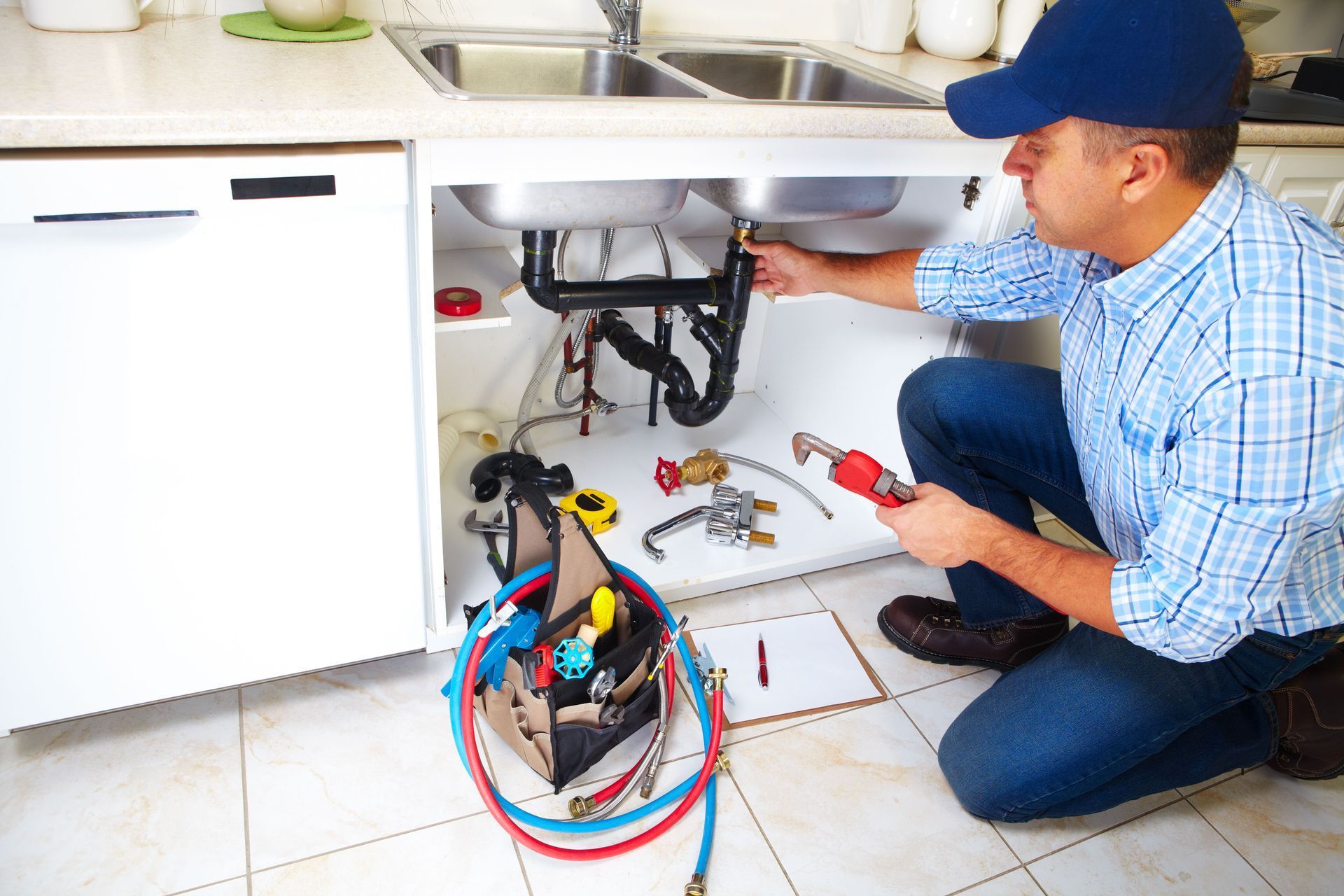
Standard drain cleaners are generally ineffective against major sewer line obstructions. Professional plumbers often use video inspection technology and hydro jetting equipment to diagnose and resolve these complex issues. Addressing sewer line problems early can help protect your home from costly repairs and significant disruption.
Clogged drains rarely develop overnight. Most plumbing blockages begin with subtle warning signs that gradually become more noticeable over time. Slow drainage, unpleasant odors, frequent clogs, gurgling sounds, water backups, standing water, and multiple affected fixtures all indicate that your plumbing system may need professional drain cleaners .
Regular maintenance, proper disposal habits, and prompt action when problems arise can help keep your drains flowing smoothly and reduce the risk of unexpected plumbing repairs. Paying attention to these warning signs today can save you time, money, and frustration in the future. To have a professional inspection on your home's system or schedule a cleaning service, reach out to USA Drain and Plumbing Works today.