December 18, 2025
In older homes, plumbing issues aren’t just minor inconveniences—they can be complex and expensive if left unaddressed. Local plumbers have developed strategies to handle these challenges while preserving the character of historic homes. According to This Old House, the average home leaks about 10,000 gallons of water each year, which underscores the importance of professional maintenance. Older homes often have unique layouts, materials, and architectural quirks that make standard plumbing approaches insufficient. These challenges require expertise, creativity, and a careful balance between modernization and preservation. Plumbers have the skills to navigate these complexities, offering solutions that protect both the home and its residents.
By combining years of experience with modern tools and technologies, plumbers can identify hidden issues and prevent small problems from turning into costly disasters. From leaky pipes to outdated fixtures, every aspect of the plumbing system is evaluated to ensure functionality and efficiency. Their work often involves collaborating with other professionals, such as architects or historians, to integrate plumbing upgrades seamlessly without compromising the home’s historic charm. The following seven strategies highlight how local plumbers handle the most common plumbing challenges in older homes.
1. Understanding Historical Plumbing Materials
Older homes often feature pipes made from materials such as galvanized steel, cast iron, and even lead, which are prone to corrosion, rust, and blockages over time. Local plumbers start by assessing the condition of these materials using tools like video inspections, pressure tests, and physical evaluations. These assessments help determine whether pipes can be repaired or need replacement. Selecting appropriate replacement materials, such as copper or cross-linked polyethylene (PEX), ensures durability while accommodating the unique requirements of older homes. Plumbers provide guidance to homeowners on the pros and cons of each option, helping them make informed decisions.
Beyond just selecting materials, local plumbers focus on minimizing disruption to the home’s structure and appearance. Modern pipes are often installed in ways that preserve historical features, using retrofit techniques or carefully concealing updated components. This thoughtful approach allows homeowners to enjoy the benefits of modern plumbing without sacrificing the architectural integrity that makes older homes special. Addressing these materials proactively also prevents future issues such as leaks or contamination, which could otherwise result in costly repairs.
2. Updating Plumbing Systems for Code Compliance
Plumbing codes evolve over time, and older homes may fall short of modern requirements. Local plumbers conduct thorough inspections to identify non-compliant elements, from improperly vented pipes to missing backflow prevention devices. These evaluations help prioritize updates that improve safety, efficiency, and long-term value. Understanding the current code is essential to ensure that new installations or repairs are up to standard and avoid potential fines or hazards. By staying informed, plumbers can guide homeowners through complex regulations with confidence.
Executing plumbing upgrades in older homes requires careful planning to minimize disruption and protect the property. Plumbers coordinate with inspection agencies and acquire the necessary permits to ensure all work meets code. They document each modification for future reference, creating a record that benefits both current and future homeowners. By addressing compliance systematically, local plumbers not only safeguard the home but also enhance its marketability and functionality, ensuring a plumbing system that works reliably for years to come.
3. Navigating Tight Spaces
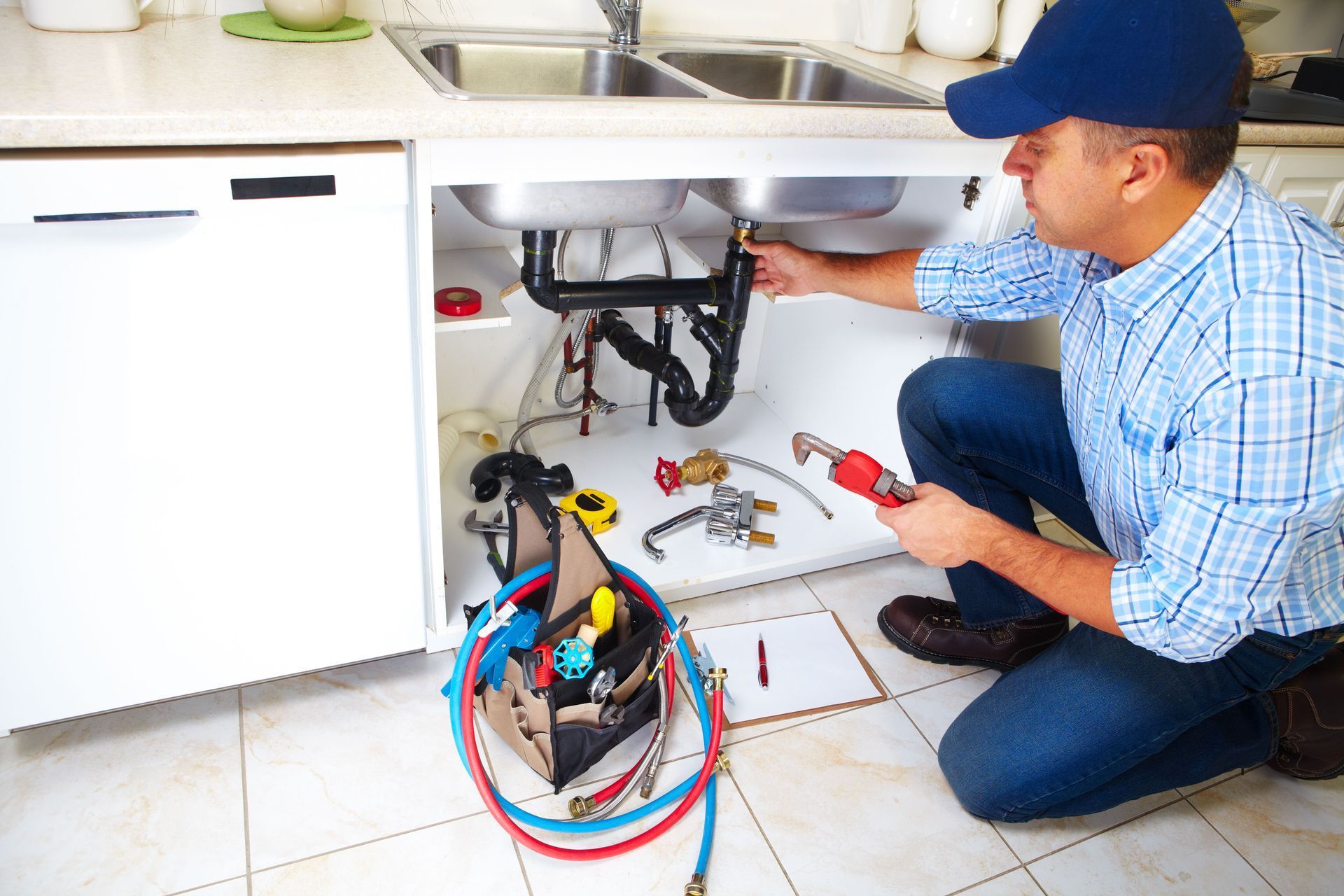
Older homes often have layouts that weren’t designed to accommodate modern plumbing systems, leaving local plumbers to creatively navigate limited space. They begin by evaluating the existing infrastructure, measuring available areas, and identifying potential challenges for installation. Compact fixtures, tankless water heaters, and flexible piping are common solutions that allow upgrades without major structural changes. Plumbers balance efficiency with preservation, ensuring that installations improve functionality while respecting the home’s historical design.
Sometimes, off-the-shelf solutions aren’t enough. Local plumbers collaborate with fabricators or other professionals to create custom components that fit unique spaces. Advanced technologies, like 3D imaging and modeling, also help plan installations precisely, reducing guesswork and unnecessary alterations. This combination of ingenuity and technology allows older homes to receive modern plumbing capabilities without compromising their charm or structural integrity, giving homeowners the best of both worlds.
4. Managing Water Pressure and Efficiency
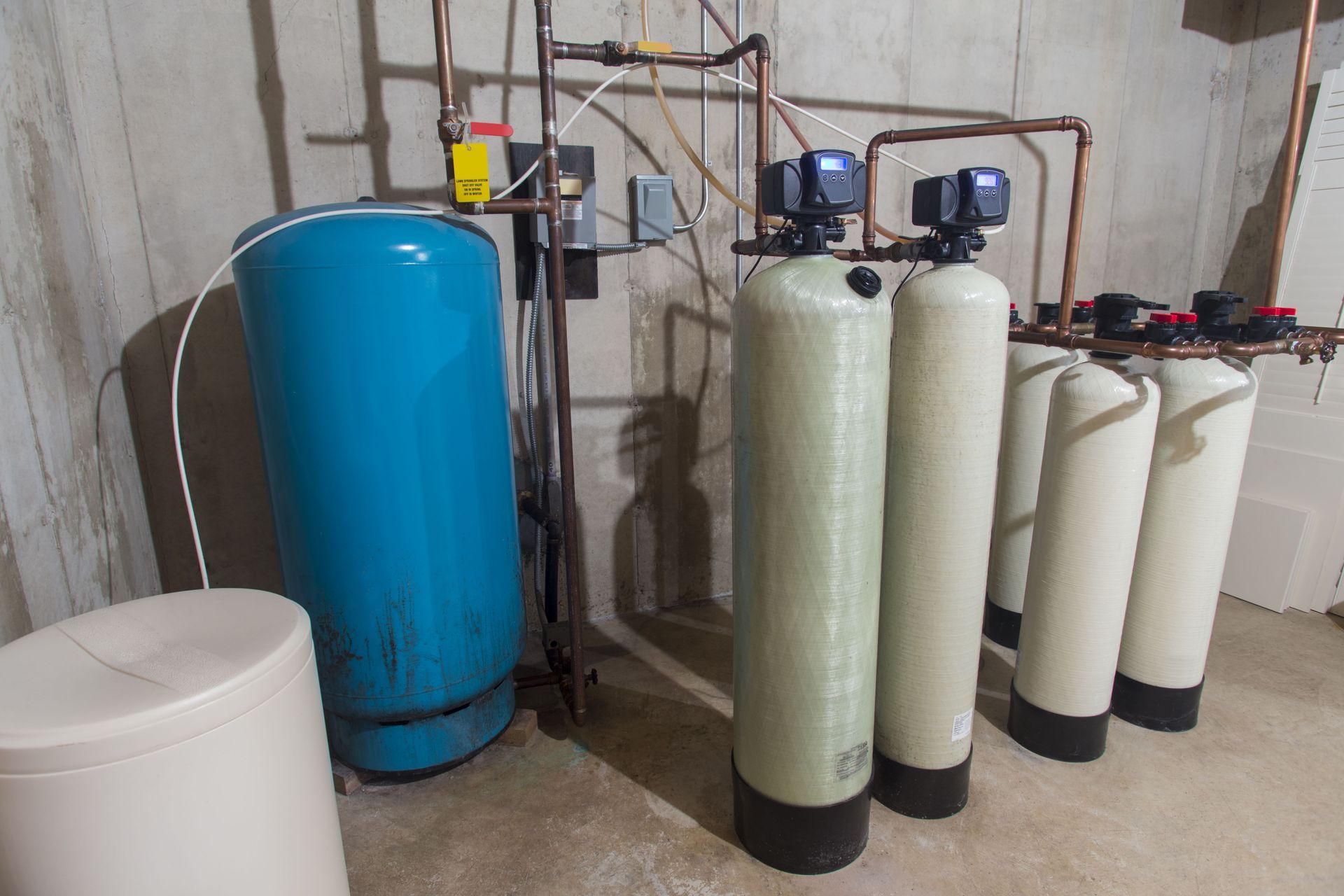
Water pressure problems are common in older homes due to corroded pipes, outdated regulators, or small-diameter piping. Local plumbers carefully diagnose these issues, tracing the source of inconsistent flow to implement targeted solutions. Installing pressure-boosting equipment, such as booster pumps or tanks, can restore proper pressure throughout the home. These improvements enhance everyday convenience while reducing strain on existing pipes and fixtures.
In addition to pressure issues, plumbers focus on water efficiency. Low-flow faucets, updated appliances, and eco-friendly fixtures reduce water consumption, lowering both environmental impact and utility bills. Adjustments to pipe layout or diameter may also be necessary to optimize flow. By combining these solutions, plumbers help homeowners enjoy consistent water pressure, greater efficiency, and long-term savings—all while preserving the home’s historical charm.
5. Preventing and Fixing Leaks
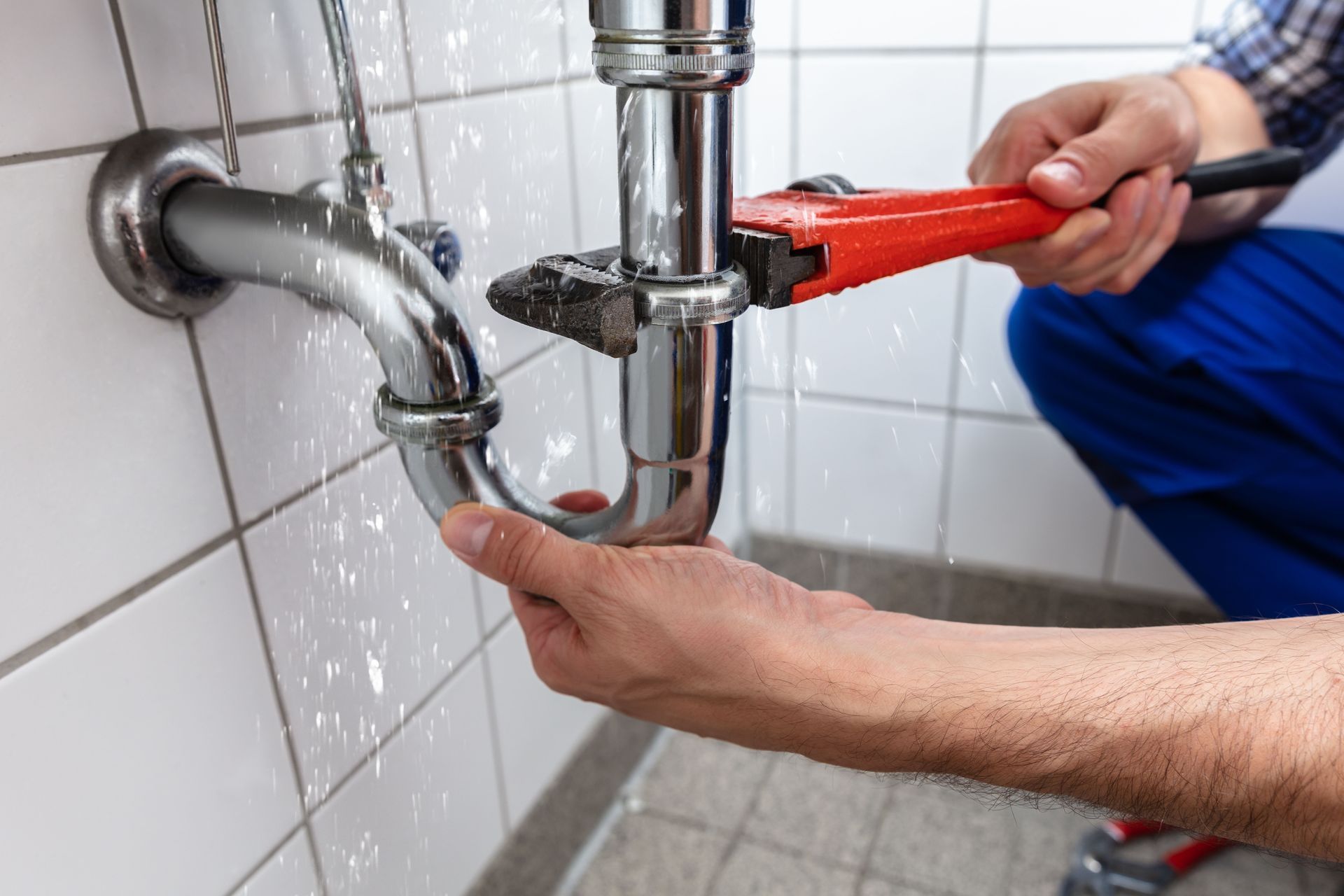
Leaks are a frequent problem in older plumbing systems, often caused by corroded pipes, worn seals, or faulty connections. Local plumbers identify common leak sources and use advanced detection tools, such as acoustic sensors and infrared cameras, to pinpoint hidden problems without damaging the property. Quick repair tactics, including patching or replacing compromised sections, prevent extensive water damage and reduce wasted resources.
Long-term prevention is equally important. Plumbers develop maintenance plans to reinforce weak joints, upgrade vulnerable materials, and monitor the system for early signs of failure. These proactive measures reduce emergency repairs and extend the life of the plumbing system. According to This Old House, the average home leaks about 10,000 gallons of water annually, highlighting the value of professional oversight. With their expertise, plumbers protect the home and its occupants while conserving valuable water resources.
6. Handling Sewer and Drainage Challenges
Older sewer and drainage systems are susceptible to blockages, tree root intrusions, and backflow problems. Local plumbers conduct thorough analyses, often using drain cameras, to understand the system layout and identify vulnerabilities. They clear root obstructions, install backflow prevention devices, and modernize pipes to enhance performance. Routine maintenance, such as hydro jetting, ensures that drains flow smoothly and prevents costly backups or health hazards.
Upgrading drainage systems in older homes requires both technical knowledge and creative problem-solving. Plumbers may reconfigure layouts or install larger pipes to improve capacity without damaging the structure or landscaping. Their work ensures efficient wastewater management while maintaining the home’s aesthetic and historical integrity. By combining expertise with advanced tools, plumbers provide solutions that safeguard both the plumbing system and the property as a whole.
7. Preserving Historical Integrity
One of the biggest challenges in older homes is balancing modern plumbing improvements with historical aesthetics. Local plumbers focus on integrating updates seamlessly, often collaborating with architects or historians to maintain the home’s original charm. This careful approach ensures that new systems don’t detract from the architectural features that make the home unique.
Preserving historical integrity requires more than just technical skill—it involves sensitivity to design, thoughtful planning, and attention to detail. Plumbers tailor their solutions to the specific needs of each home, blending efficiency and functionality with visual harmony. Through these efforts, homeowners can enjoy the conveniences of modern plumbing without sacrificing the beauty and character of their historic property.
Older homes present plumbing challenges that demand creativity, skill, and experience. Plumbers are uniquely equipped to address issues related to materials, space, pressure, leaks, drainage, and historical preservation. Their work ensures older homes function efficiently while maintaining their distinctive charm. For expert assistance that safeguards both your plumbing and your home’s character, contact USA Drain and Plumbing Works.