September 2, 2026
Managing household plumbing requires a proactive strategy that keeps water flowing smoothly through every fixture in the home. Plugs and blockages create significant stress for homeowners, often resulting in standing water, unpleasant odors, and sudden disruptions to daily routines. While these issues often seem to appear out of nowhere, they are usually the result of long-term buildup deep within the pipe network. Understanding how daily habits impact wastewater lines is the first step toward avoiding major plumbing emergencies. Daily activities in bathrooms and kitchens introduce various substances into the infrastructure, and without regular attention, these materials gradually restrict water movement.
A comprehensive approach to home maintenance focuses on prevention rather than constant crisis management. When routine care is ignored, minor restrictions can quickly escalate into full pipe blockages that threaten the structural integrity of the entire system. Protecting wastewater lines involves a combination of smart disposal habits, physical barriers, and timely intervention from trained plumbing specialists. Homeowners who dedicate time to understanding their wastewater systems can prevent structural damage, protect their home investments, and avoid the frustration of unexpected plumbing failures. Implementing systematic maintenance habits ensures that wastewater systems remain functional, sanitary, and reliable for years to come.
Catching Problems Early
Taking early action remains the most reliable way to preserve the structural health of your home interior. Plumbing lines work silently under floors and behind walls every single day, carrying away vast quantities of graywater and waste without requiring constant supervision. However, that constant usage causes inevitable wear and tear, along with a gradual accumulation of grease, scale, and organic matter along the interior pipe walls. When homeowners wait until a drain stops functioning completely, they are often forced to deal with messy backups, high emergency repair bills, and potential property damage that could have easily been avoided with standard line care.
Developing a basic awareness of how home drainage works empowers residents to make better choices about what goes down their sinks and toilets. Every single plumbing fixture in a house connects to a centralized drainage system that relies on gravity and clear passages to move waste away safely. When one branch of that system becomes restricted, the backpressure can easily cause problems in other nearby fixtures. By treating the entire plumbing network as an interconnected system that requires careful management, households can maintain consistent water pressure, prevent foul odors, and avoid the sudden headaches associated with full system backups.
Implementing Proactive Maintenance Strategies
Establishing a reliable schedule for pipe maintenance remains one of the best ways to protect household wastewater lines from unexpected blockages. Natural solutions like vinegar and baking soda are effective and eco-friendly options for routine cleanings. They work by breaking down organic material and dissolving minor buildups within the pipes. According to Modernize, scheduling preventative drain cleaning every 1 to 2 years can significantly diminish the risk of costly emergency repairs. Households that incorporate a regular cleaning schedule can enjoy a hassle-free plumbing system longer.
Beyond routine flushing, establishing consistent family habits prevents debris from entering wastewater lines in the first place. Placing dedicated waste bins next to sinks and toilets encourages household members to discard solid items properly rather than rinsing them away. Consistently removing organic matter, heavy paper products, and foreign objects from the wastewater stream reduces the physical burden on interior pipe walls. Taking simple, preventive actions every day eliminates the conditions that allow deep structural clogs to form over time.
Eliminating Harmful Waste Disposal Habits
Proper waste management in the kitchen and bathroom serves as a primary defense against stubborn pipe obstructions. Kitchen sinks frequently suffer when liquid fats, cooking oils, and food scraps are rinsed down the basin during meal preparation. As warm grease cools inside the cold underground pipe walls, it solidifies into a sticky lining that catches passing food particles. Over time, this mixture thickens into an impenetrable barrier that completely stops wastewater flow.
Similarly, bathroom facilities require careful oversight regarding what gets flushed or rinsed away. Hair strands, soap scum, heavy paper products, and personal hygiene items are major contributors to severe blockages. Soap residue combines with natural water minerals to form a thick film that catches loose hair, creating heavy mats inside the line. Teaching every household member to dispose of solid waste, grease, and non-flushable items in the trash can protects the pipe infrastructure from unnecessary strain.
Utilizing Physical Protective Barriers
Installing protective physical barriers over all sink basins, shower floors, and tub drains provides an immediate defense against airborne and surface debris. Simple mesh guards and catchers act as filters that trap hair, food scraps, and small objects while allowing water to pass through freely. Because these catching devices are inexpensive and simple to install, they offer a highly cost-effective way to stop solid waste before it ever reaches the internal plumbing network.
To keep protective strainers operating at peak performance, homeowners must empty and wash them on a regular basis. Allowing hair and food waste to sit on top of a mesh cover eventually slows down water drainage, defeating the purpose of the device. Pairing physical strainers with periodic hot water rinses helps clear away any light surface films that manage to pass through the mesh. Utilizing these simple tools significantly reduces the frequency of plumbing disruptions throughout the house.
Avoiding Damaging Chemical Treatments
When water begins to drain slowly, many homeowners react by purchasing harsh chemical clearers from local retail stores. While these chemical liquids promise fast results, their aggressive formulas generate intense heat and corrosive chemical reactions inside the pipes. Repeated exposure to caustic chemical products can erode metal connections, weaken plastic piping, and damage internal seals, eventually causing structural leaks beneath floors and walls.
Rather than relying on dangerous chemical clearers, homeowners should choose safer alternatives that protect pipe health and environmental quality. Professional drain cleaning options utilize specialized mechanical tools or high-pressure water that safely clear stubborn blockages without relying on destructive chemicals. Natural mineral treatments and specialized biological enzyme products gently break down organic buildup without generating destructive heat or corroding pipe linings. Choosing gentle, non-corrosive flushing options preserves the physical strength of the plumbing network while maintaining clear wastewater passages. Removing harsh chemicals from the home maintenance routine extends the overall lifespan of household pipes.
Recognizing Major System Warnings
Despite taking preventive steps, complex blockages can still develop deep within underground sewer lines or main stack pipes. Recognizing the early warning signs of severe plumbing failure allows homeowners to take swift action before widespread flooding occurs. Common indicators of deep structural blockages include multiple fixtures draining slowly at the same time, gurgling sounds coming from toilet bowls, and persistent sewage smells near sink basins.
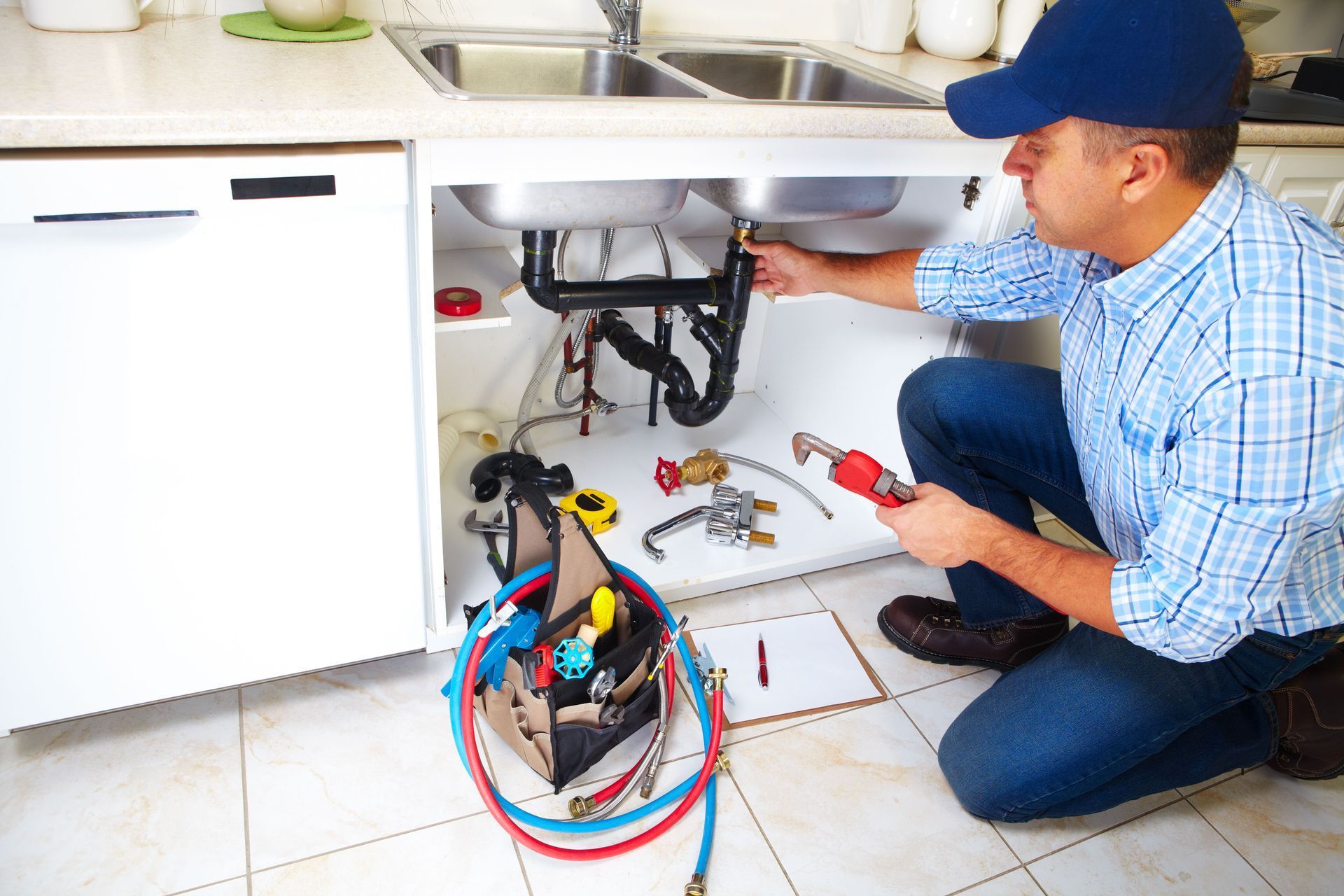
When these severe symptoms appear, standard maintenance efforts are no longer sufficient to clear the system. Complex structural obstructions require specialized professional drain cleaning equipment like motorized sewer snakes, high-pressure water jetting, and internal video pipe inspections to locate and clear the blockage safely. Identifying major system warnings early and contacting professional technicians prevents minor line restrictions from turning into catastrophic home flooding events.
Maintaining a free-flowing wastewater system requires a balanced combination of healthy disposal habits, physical debris strainers, and consistent line care. By eliminating harmful grease, avoiding harsh chemical clearers, and addressing early warning signs, homeowners can protect their property from expensive structural damage. When stubborn obstructions or deep main line blockages occur, expert drain cleaning services ensure your pipes are thoroughly restored without risking damage to your home infrastructure. Investing in consistent preventative
drain cleaning protects your home plumbing investment and ensures worry-free performance. Contact USA Drain and Plumbing Works today to schedule your comprehensive plumbing service and keep your wastewater lines flowing perfectly.