November 6, 2026
For many homeowners, managing household waste is an out-of-sight, out-of-mind responsibility right up until a major plumbing crisis strikes. Every time you run the dishwasher, wash a load of laundry, or flush a toilet, wastewater travels through your pipes and out of your home. However, where that water goes depends entirely on your property's infrastructure. According to This Old House, most Americans connect their home plumbing to a municipal sewage treatment system, while approximately 25% depend on septic systems. If your home belongs to that quarter of American households relying on an underground septic tank, proper care and regular maintenance are absolutely essential to keeping your home safe, clean, and functional.
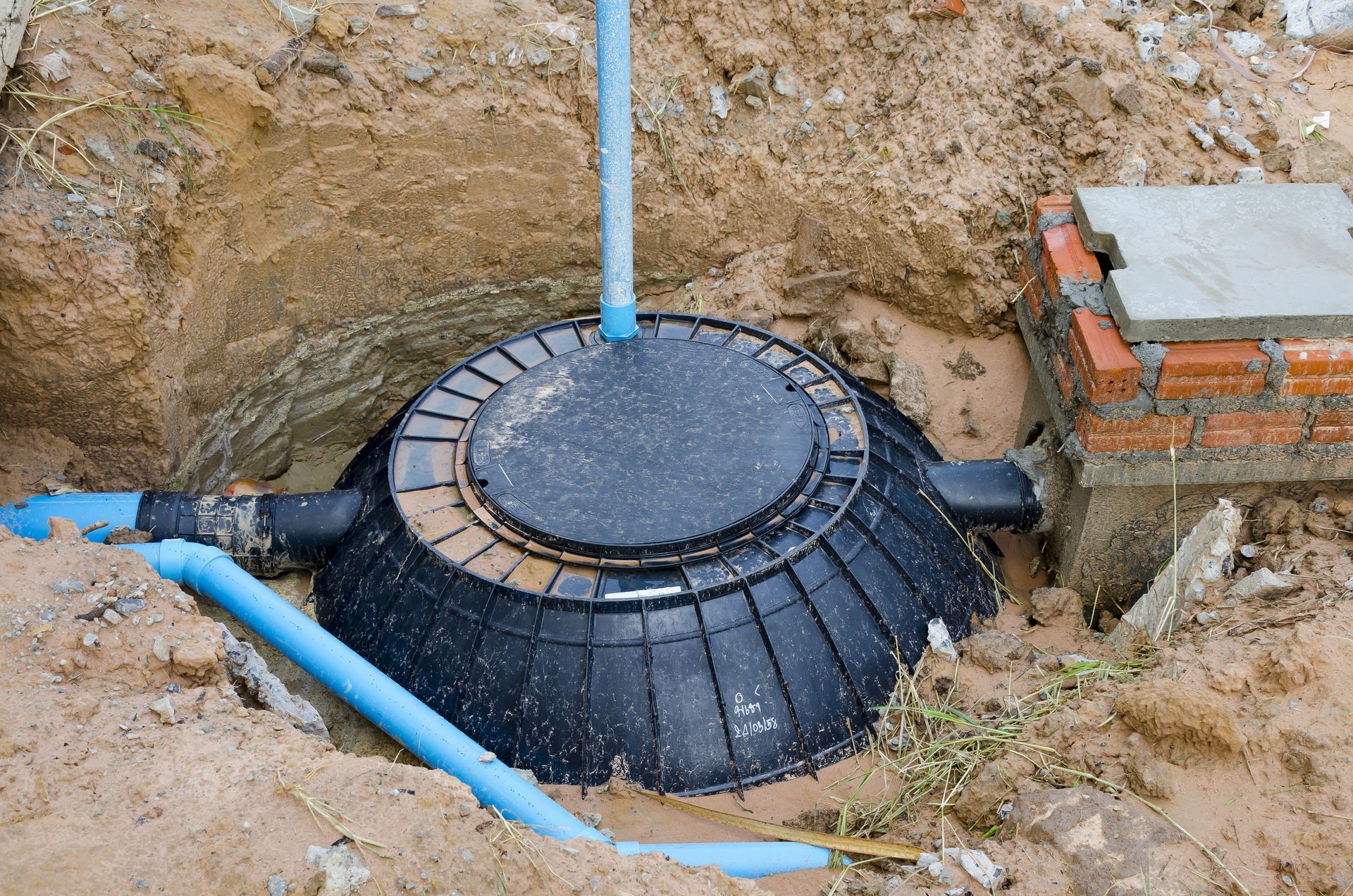
Unlike municipal sewer connections that automatically transport waste to a city treatment facility, an underground septic system operates as a self-contained, localized waste treatment plant right on your property. It processes every single drop of wastewater your family generates. Because this system has a finite capacity, neglecting routine service can lead to catastrophic plumbing failures, environmental contamination, and thousands of dollars in emergency repair bills from backed up sewage. Knowing how often to invest in professional septic services is one of the most critical aspects of responsible homeownership.
At USA Drain & Plumbing Works, we specialize in comprehensive drain care, plumbing maintenance, and septic tank management. Our team of experienced technicians is dedicated to keeping your home's wastewater systems operating flawlessly year-round. Let's explore the ideal service schedules for septic systems, key factors that influence maintenance frequency, signs that your system has backed up sewage and needs immediate attention, and how proactive care protects your health and home value.
Understanding the Basic Mechanics of Your Septic System
To appreciate why regular servicing is so crucial, it helps to understand what happens inside your septic tank every day. When wastewater leaves your sinks, showers, toilets, and washing machines, it flows through a primary sewer pipe into an underground, watertight septic tank. Inside the tank, solid waste naturally separates from liquid waste through gravity settling and biological decomposition.
Heavy solids, such as food scraps and human waste, sink to the bottom of the tank to form a thick layer known as sludge. Lighter substances, including cooking fats, oils, greases, and soap scum, float to the top surface to form a layer called scum. In the middle sits a clear liquid layer of clarified wastewater called effluent. Naturally occurring anaerobic bacteria inside the tank continuously work to break down the organic matter in the sludge and scum layers.
As new wastewater enters the tank, an equal volume of liquid effluent exits through an outlet pipe into a subterranean distribution network known as the drain field or absorption field. The drain field slowly filters the liquid through layers of gravel, soil, and sand, naturally purifying the water before it percolates back into the local groundwater table. While the liquid effluent leaves the tank continuously, the solid sludge and floating scum remain trapped inside. Over time, these solid layers steadily accumulate, making periodic professional removal necessary.
General Rule of Thumb: How Often Should You Service Your System?
A common question homeowners ask is how frequently they should schedule professional septic services. Based on our industry experience, a standard residential septic tank should undergo a professional inspection at least once every three years. Furthermore, actual septic tank pumping—the process of vacuuming out accumulated sludge and scum—should take place every three to five years.
However, three to five years is a baseline estimate rather than a rigid schedule for every single home. Some households require annual pumping, while others can comfortably go four or five years between cleanings. Determining the exact maintenance schedule for your specific system depends on several unique operational factors that influence how quickly solid waste builds up inside your tank.
Relying on guesswork or waiting for visible warning signs of backed up sewage before calling a professional is a dangerous strategy. Overfilled tanks allow solid sludge to overflow into the delicate drain field, clogging soil pores and causing complete system failure. Scheduling routine inspections with USA Drain & Plumbing Works ensures your tank's sludge levels are monitored accurately so pumping happens at the ideal time.
Key Factors That Influence Your Septic Service Frequency
No two households use water in the exact same way, which is why septic service schedules must be tailored to individual living habits and property characteristics. Several key variables dictate how fast your septic tank fills up and how often you need professional servicing.
First, household size and daily water usage play a major role. A single occupant living in a three-bedroom house generates significantly less wastewater than a family of six living in the same home. More people equal more toilet flushes, showers, dishwashing cycles, and laundry loads, accelerating the accumulation of solids inside the tank.
Second, the total capacity of your septic tank dictates its waste threshold. Smaller tanks (such as 750 or 1,000 gallons) reach their maximum solid holding capacity much faster than larger 1,500-gallon tanks. If your home has a relatively small tank relative to the number of residents, you will need to schedule pumping more frequently to prevent backups.
Third, the volume of solids entering your plumbing dramatically affects sludge accumulation. Frequent use of garbage disposals, flushing non-degradable items, or washing away heavy cooking greases fills a septic tank up to twice as fast as normal water use. Minimizing solid waste input helps extend the interval between required pumping services.
Warning Signs That Your Septic System Needs Immediate Attention
While sticking to a multi-year service schedule is ideal, septic issues can occasionally arise unexpectedly between scheduled maintenance visits. Recognizing the early warning signs of a struggling septic system allows you to seek professional intervention before minor problems turn into major health hazards.
One of the clearest warning signs of a septic emergency is slow-draining fixtures throughout your home. If a single sink drains slowly, the issue is likely an isolated pipe clog. However, if your toilets, bathtubs, showers, and sinks across multiple rooms are all draining sluggishly at the same time, your septic tank is likely full to capacity or experiencing a mainline blockage.
Another unmistakable indicator is the presence of foul odors around your property. When a septic tank overflows or vents improperly, sewer gas escapes into the air. If you smell rotten eggs, sulfur, or raw sewage near your tank location, drain field, or coming out of indoor drains, contact a professional plumber immediately.
You should also inspect your lawn around the drain field regularly. Unusually lush, bright green patches of grass growing directly over your absorption field—especially during dry or hot seasons—suggest that nutrient-rich liquid waste is leaking upward toward the surface. If you notice pooling water or soggy, muddy soil around the drain field, your system is oversaturated and failing to process wastewater correctly.
The absolute worst-case scenario of septic failure is a raw sewage backup inside your living spaces. When the tank cannot hold any more solid waste or liquid effluent cannot escape into the drain field, wastewater reverses direction and surges back up through the lowest drains in your home, such as basement showers, floor drains, and toilets. Dealing with backed up sewage creates severe health risks, damages flooring and drywall, and requires immediate emergency containment and professional biohazard remediation.
Schedule Your Septic Maintenance Today
Don't wait for backed up sewage, foul odors, gurgling pipes, or emergency plumbing failures to remind you about your septic tank. Taking a proactive approach to septic maintenance is the easiest and most cost-effective way to prevent catastrophic system failures and preserve your property's value.
Whether it has been years since your last septic inspection or you are noticing early signs of drainage trouble in your home, the experts at USA Drain & Plumbing Works are here to help. Our team provides thorough inspections, expert maintenance, and reliable emergency repairs tailored to your specific system.
To schedule your next septic inspection or to learn more about our full range of professional drain and plumbing services to deal with your
backed up sewage, visit our official website today. Let USA Drain & Plumbing Works keep your home's plumbing running cleanly, safely, and efficiently!