November 13, 2026
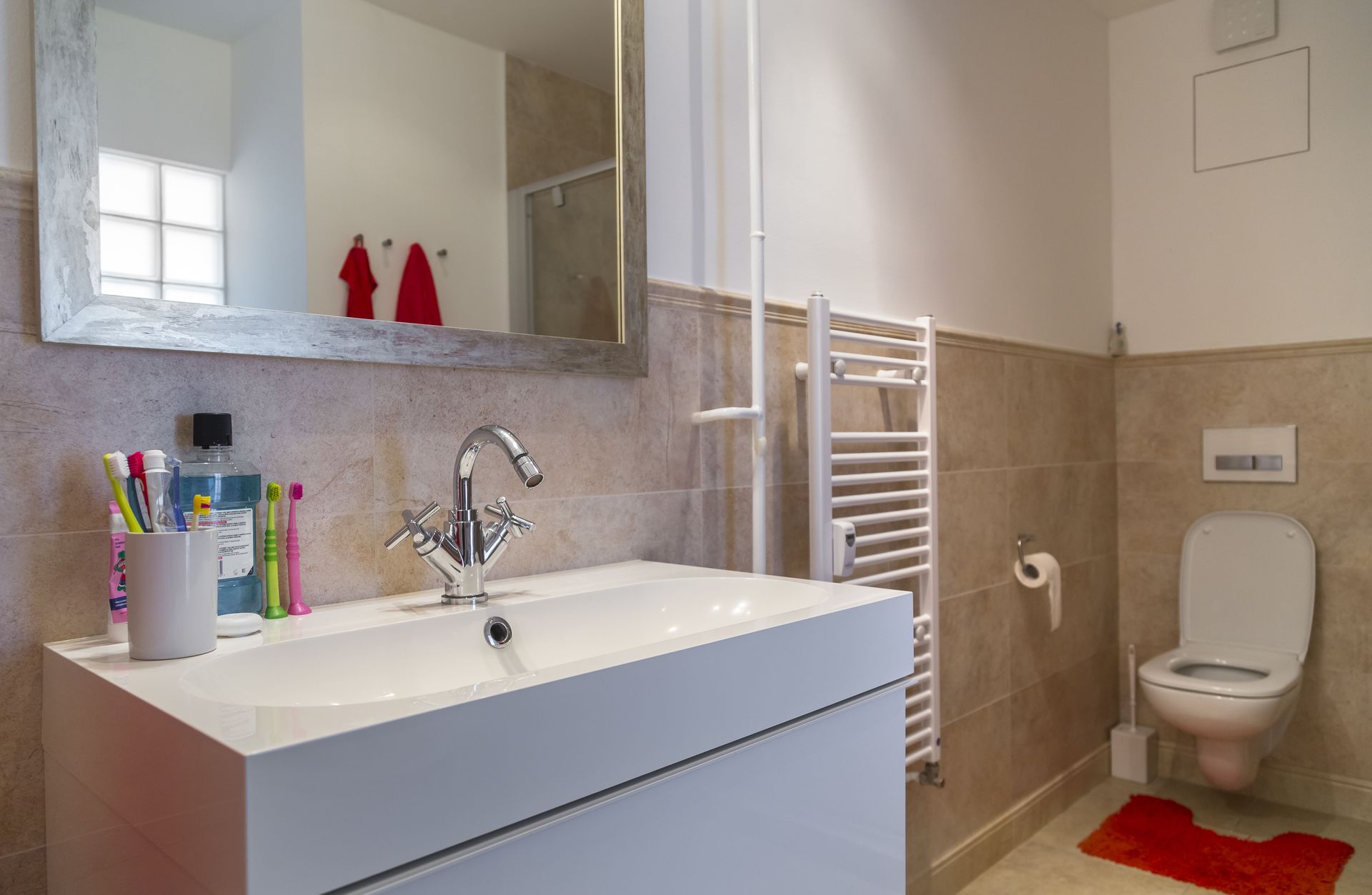
A toilet feels like a convenient disposal point for almost anything small, and that convenience is exactly what causes trouble. According to a 2026 SupplyHouse survey of 1,000 American adults, roughly six in ten Americans regularly flush items other than toilet paper. Wet wipes, feminine hygiene products, cotton swabs, dental floss, and even food scraps all take that journey. Plumbing systems, however, were designed for human waste and toilet paper, which breaks apart quickly in water. Everything else lingers, collects, and eventually blocks the line.
For homeowners in Palm Desert, La Quinta, and the wider Coachella Valley, a blocked line can mean a flooded bathroom, a sewage backup, or a late-night call for emergency plumber services. Below explains how plumbing is built, which items cause the most harm, how clogs form, what they cost, and how to prevent them. A few small changes in the bathroom can spare your pipes and your budget. Understanding the problem is the first step toward solving it. Let us start with the pipes themselves.
Understanding Pipe Design
Residential plumbing is a network of pipes, traps, vents, and fittings that relies on gravity to carry waste away from the house. Drain lines inside a home are often only a few inches wide, and the main line that leaves the house is not much larger. Flowing water and toilet paper move through easily, but anything that resists breaking down can snag on a rough joint, a bend, or a tiny crack. Older pipes, especially those with corrosion, scale, or invading roots, give debris even more places to catch.
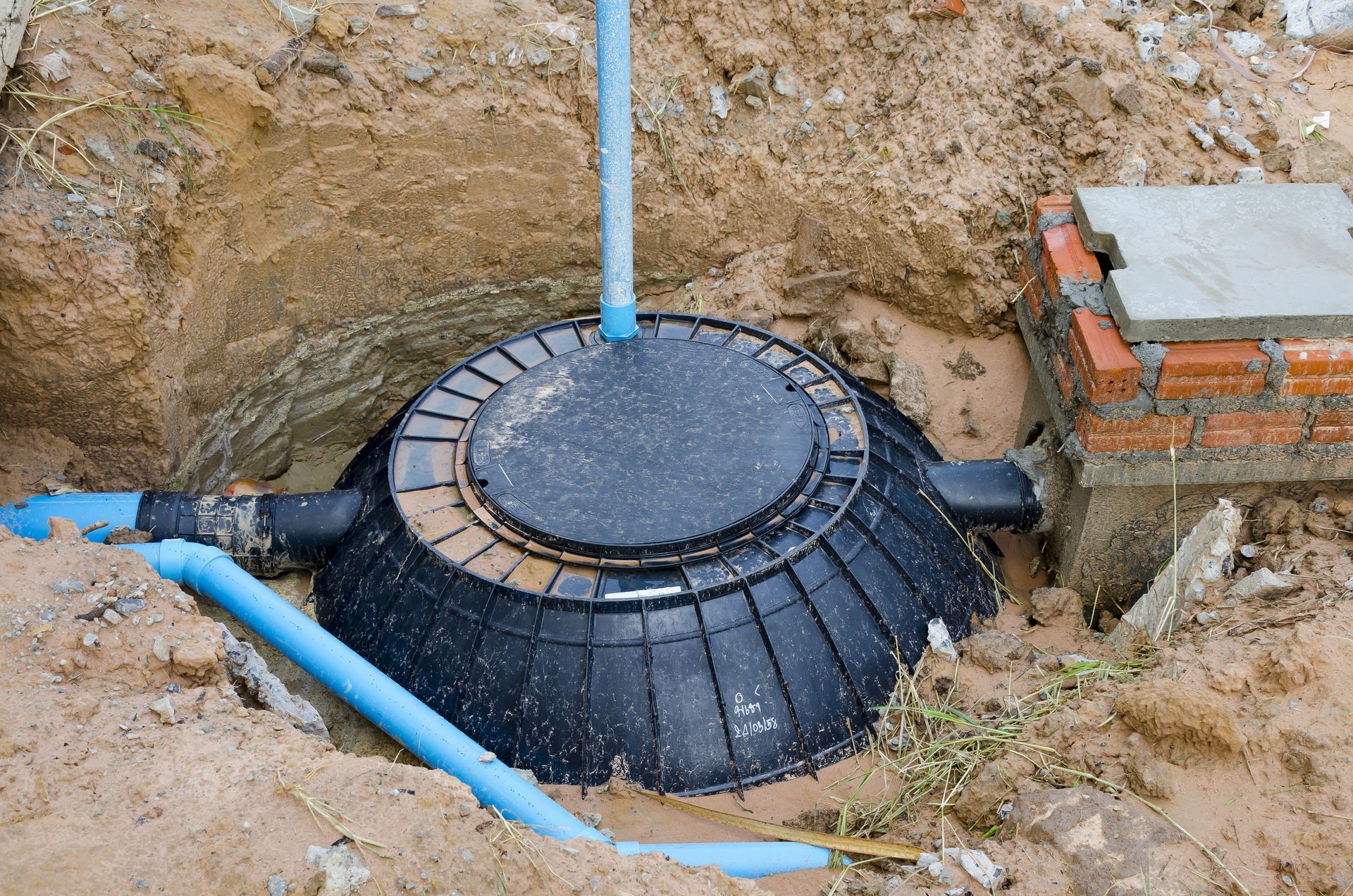
Homes served by septic systems face a second layer of risk, because non-flushable items also fill the tank and can reach the drain field. Because most of this plumbing is hidden in walls, under slabs, and underground, a developing blockage usually goes unnoticed. Routine inspection and cleaning keep the system flowing, and a camera inspection can reveal buildup long before a backup occurs. Knowing how your pipes are designed makes it easier to see why certain items do not belong in them.
Identifying Problem Items
Wet wipes are a leading offender, including those labeled flushable. Many do not break down like toilet paper, so they gather into dense clumps that catch on every rough spot. Tampons and pads swell as they absorb water, which makes them especially likely to wedge in a trap or bend. Dental floss and hair weave together into a net that snags other debris. Cotton swabs and cotton pads do not dissolve and hook easily on rough surfaces. Grease and food scraps are just as damaging, since they cool, congeal, and harden along pipe walls. Paper towels, diapers, cat litter, and medications should never go down the toilet either.
The safest rule is simple: only human waste and toilet paper belong in the toilet, and everything else belongs in the trash. Keeping a small lidded wastebasket within reach makes that rule easy to follow. When one of these items does cause trouble, professional help is usually faster and safer than DIY attempts. Chemical drain cleaners can also harm pipes and make later repairs more hazardous.
Tracing Clog Formation
A clog rarely begins as a solid plug. It starts when a single item snags on a rough edge, joint, or bend inside the pipe. Each new flush adds more material, and toilet paper, hair, and grease stick to the growing mass. Eventually, the buildup narrows the pipe enough that water slows, and the pressure behind it can strain joints and seals. Early signs include gurgling drains, slow flushing, a toilet that needs repeated plunging, and odors rising from floor drains. Ignoring these warnings lets the blockage harden, and a partial clog can become a complete one without notice.
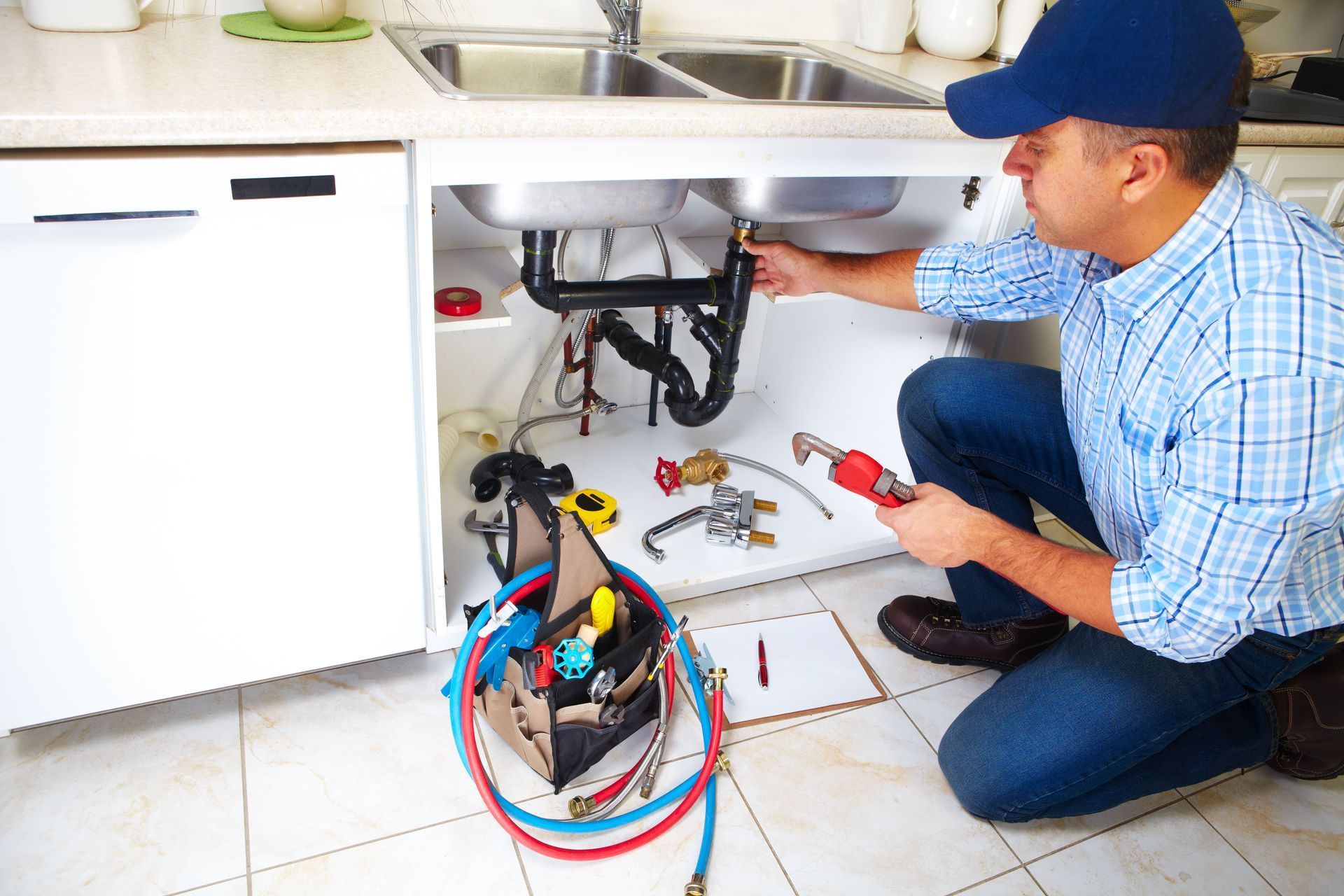
A full blockage in a main line can send wastewater back into tubs, showers, and floor drains, and that is when emergency plumber services matter most. Professionals clear stubborn buildup with tools such as drain augers and hydro jetting, which uses high-pressure water to scour the pipe walls. A video inspection then confirms the line is clear and shows whether cracks, roots, or damage contributed to the problem.
Weighing Hidden Consequences
The cost of a clog goes well beyond the plumber’s bill. Backups can soak flooring, drywall, and furniture, and standing sewage creates serious health and mold concerns. Cleanup, drying, and repairs often cost far more than the original unclogging. Repeated clogs can also damage older pipes, loosen joints, and shorten the life of a sewer line. Septic owners face higher stakes, since wipes and other solids can clog the drain field and trigger an expensive replacement. The effects reach the wider community too, because overflows can carry untreated sewage into streets, storm drains, and waterways.
Municipal treatment plants also struggle with wipes and similar materials, and those costs eventually reach ratepayers. In a desert region where water is precious, protecting local systems from preventable damage matters even more. Because backups rarely happen at convenient times, emergency plumber services are a valuable safety net. Technicians available around the clock can stop the damage, clear the line, and begin repairs before a problem spreads. A single prevented backup easily justifies the effort of changing a habit.
Adopting Smarter Practices
Prevention begins with a household rule that everyone understands: only toilet paper and human waste go down the toilet. Post a reminder in the bathroom if guests or children are likely to forget. Keep a lined trash can within reach of the toilet for wipes, hygiene products, floss, and cotton swabs. In the kitchen, pour cooled grease into a container for the trash, and scrape plates before rinsing. Use drain strainers in sinks and showers to catch hair before it enters the line. Schedule professional drain cleaning and a camera inspection on a regular basis, especially in older homes or properties with mature trees.
Routine care costs far less than emergency plumber services, and it catches weak spots before they fail. Fixing slow drains and running toilets promptly also reduces strain on the system. If you manage a septic system, add regular inspections and pumping to the routine. Choose a licensed, insured plumber who offers warranties on drain cleaning and provides honest recommendations. Good habits and good partners make clogs rare.
Calling Local Professionals
Flushing items other than toilet paper is one of the easiest ways to cause a clog and one of the easiest to stop. Wipes, hygiene products, floss, grease, and similar materials do not belong in your pipes, no matter what the packaging says. When a clog does happen, quick and skilled help limits the damage.
A local team offering clogged drain cleaning, hydro jetting, sewer line cleaning, camera inspections, and 24/7 emergency plumber services can restore flow and diagnose the underlying cause. Same-day service, a 12-month warranty on drain cleaning, and complimentary video inspections with service add further peace of mind. Veterans and first-time customers can also save on the services we offer. Save the number of a trusted plumber now, and keep that bathroom wastebasket handy.
Dependable emergency plumber services are most valuable when you already know whom to call. Call USA Drain & Plumbing Works today for fast, reliable emergency plumber services anywhere in Palm Desert, La Quinta, and the surrounding Coachella Valley.