November 14, 2026
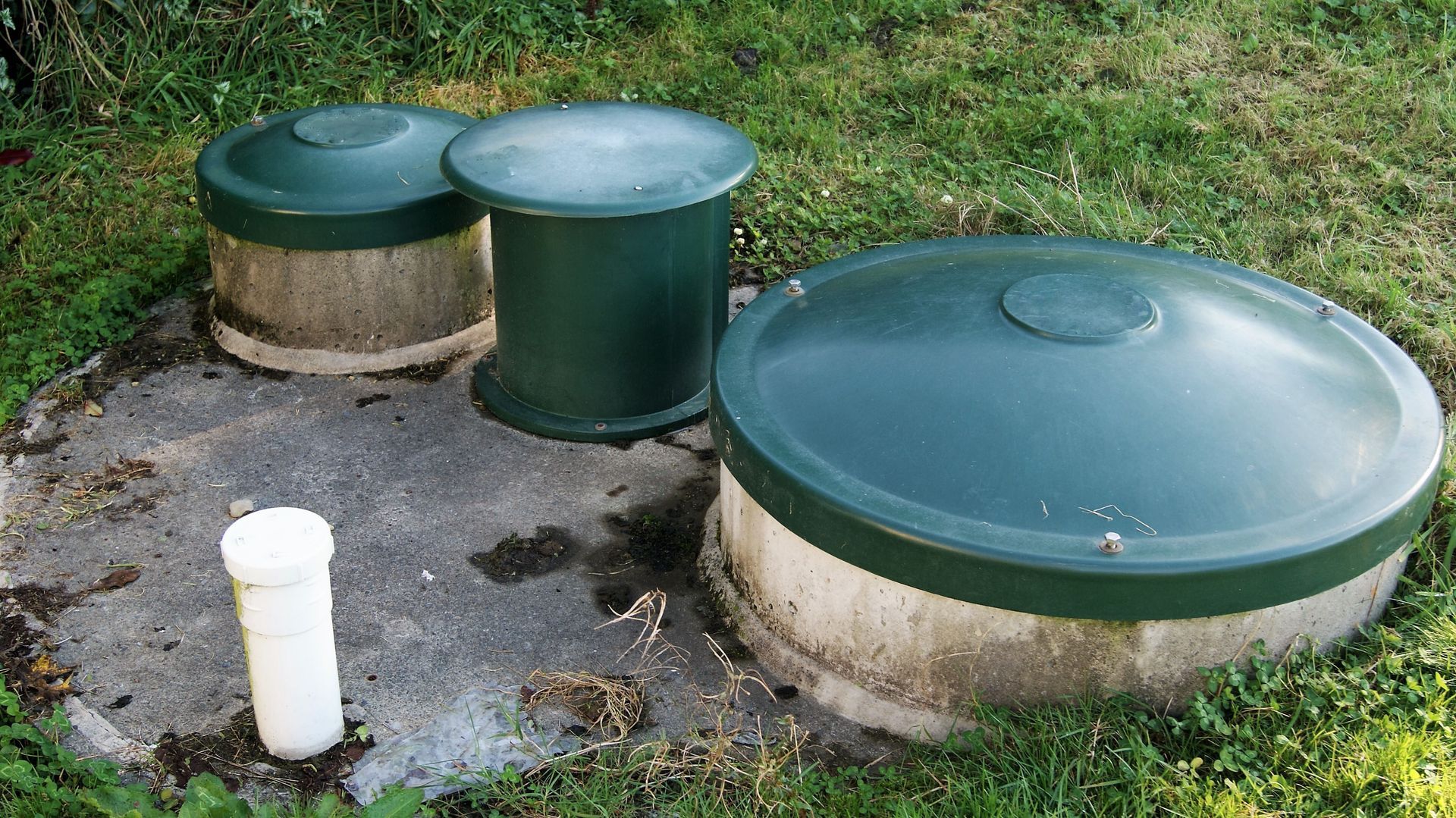
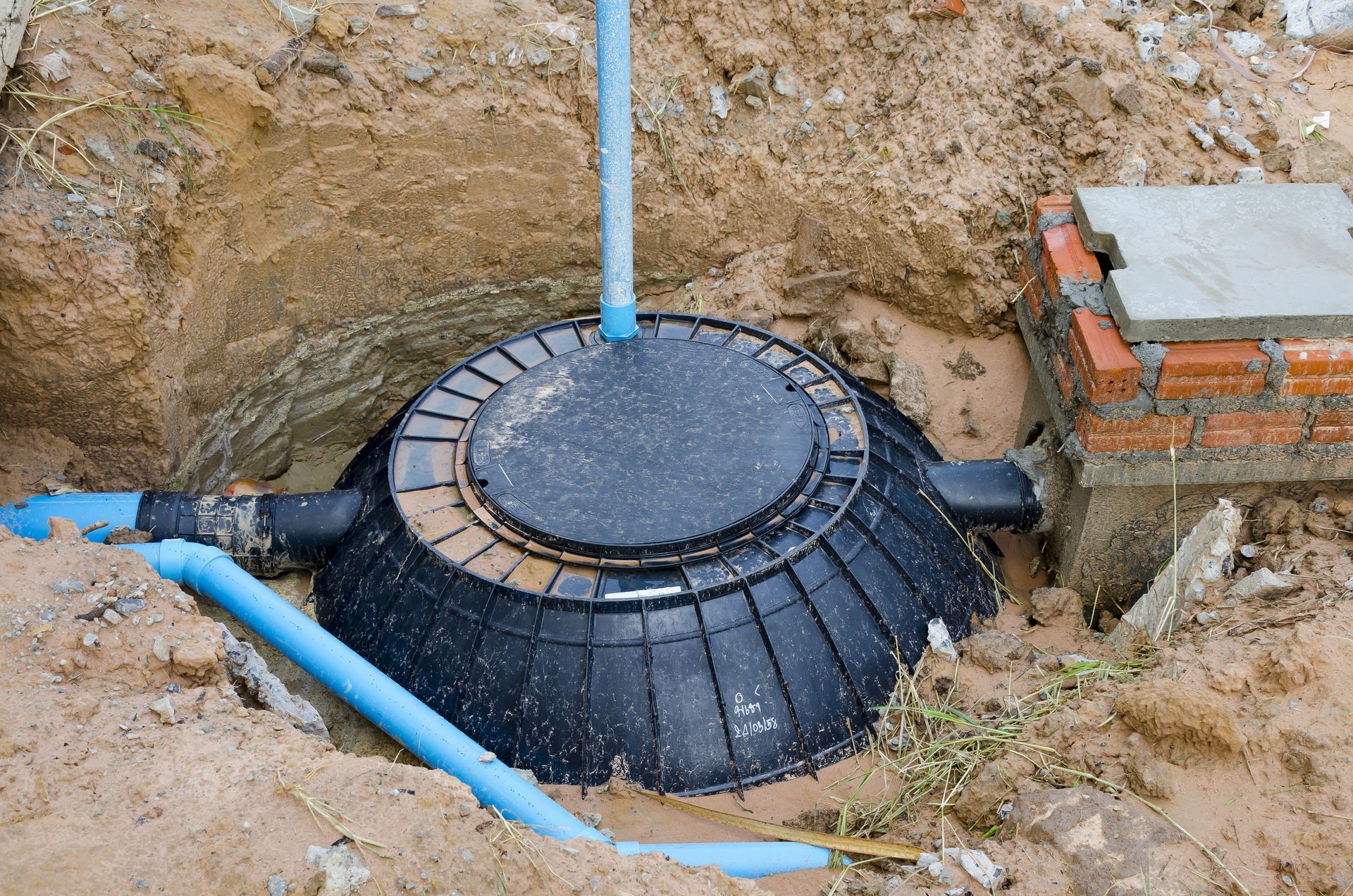
Some homes in the Coachella Valley, especially in outlying communities, are not connected to a municipal sewer line and depend on a septic system instead. A septic system has two main parts: an underground tank and a drain field, also called a leach field. Wastewater flows into the tank, where solids settle as sludge and oils rise as scum. The clarified liquid in the middle then moves to the drain field, where soil naturally filters it.
Because all of this happens underground, problems stay hidden until they become serious. According to the U.S. EPA, a typical household septic system should receive a professional inspection at least once every three years. Systems with pumps, alarms, or other mechanical parts usually need more frequent attention.
Below explains why that schedule matters and how reliable septic tank services protect your home, your budget, and the Valley’s groundwater. Inspections are the simplest way to see what is happening below the surface. Knowing how the system works makes the schedule easier to follow.
Preventing Costly Failures
A failed septic system is one of the most disruptive and expensive problems a property owner can face. Solids slowly accumulate in the tank, and when they overflow into the drain field, they clog the soil and can ruin it. Replacing a damaged drain field can cost many times more than routine care, and it often requires excavation. Regular inspections catch rising sludge levels, cracked baffles, leaking tanks, and failing pumps while they are still inexpensive to correct. Qualified septic tank services also remove accumulated solids through pumping, which restores capacity and protects the drain field.
Emergency repairs usually cost more than planned maintenance, and sewage backups can damage floors, walls, and belongings in a matter of hours. A documented inspection history also helps when selling, since buyers and lenders want proof that the system is sound. Spending a little every few years prevents the kind of bill that disrupts a family budget. Prevention is always the better investment. Most failures develop slowly, which is why they are so avoidable.
Spotting Early Warnings
Septic systems usually give notice before they fail, and homeowners who know the signs can act quickly. Slow drains, gurgling pipes, and repeated clogs often mean the tank is full or a blockage is building. Foul odors indoors or near the tank point to a leak or a system that is not containing wastewater properly. Unusually lush, green grass over the drain field and soggy ground or standing water nearby suggest effluent is surfacing. Sewage backing up into a tub, shower, or floor drain is an emergency that needs immediate professional help.
Do not wait for the next scheduled inspection if you notice any of these symptoms. Call a provider of septic tank services right away so the cause can be found while the repair is still manageable. Avoid using the system heavily, such as running multiple loads of laundry, until a technician has evaluated it. Keep in mind that some problems produce no symptoms at all, which is exactly why inspections every three years matter.
Following Inspection Steps
A professional inspection follows a clear sequence, and knowing it helps you prepare. The technician begins by locating the tank, opening the access lids, and checking the exterior for damage, pooling water, or unusual plant growth. Next comes a look inside, where sludge and scum levels are measured to determine whether pumping is due. The inspector also checks the baffles, inlet and outlet pipes, and any pumps, alarms, or filters for wear and proper operation. Attention then shifts to the drain field, where the technician looks for soggy soil, blockages, and signs that effluent is not being absorbed.
When needed, a camera inspection of connected lines can reveal cracks, root intrusion, or blockages between the house and the tank. Complete septic tank services combine inspection with pumping and cleaning when the findings call for it, which saves you a second appointment. You should receive a written summary of the findings along with recommendations for repairs or follow-up visits. Keep that report with your home records. It shows the system’s condition over time.
Protecting Desert Environments
A septic system returns treated wastewater to the ground, so its condition affects the water beneath your property. A failing system can release bacteria, viruses, and nitrates that may reach groundwater, wells, and nearby soil. In the Coachella Valley, where water is a precious resource, protecting groundwater from contamination is a community concern. Desert conditions bring their own challenges, since compacted soil and occasional heavy storms can affect how well a drain field absorbs water. Tree roots can invade pipes, and vehicles driving over the tank or field can crush components.
Reasonable habits help: spread laundry across the week, fix leaky fixtures, and flush only waste and toilet paper. Keep grease, wipes, chemicals, and paint out of the drain, because they upset the bacterial balance or clog the system. Trained technicians with confined space certification can safely enter and service tanks, which protects both the property and the workers. Choosing licensed and insured septic tank services also ensures the work meets current local requirements. Responsible care keeps the system working and the environment healthy.
Dispelling Common Myths
Several myths convince homeowners to delay inspections. The first is that no problems means no need to inspect. In reality, tanks fill, and components wear quietly, and a system can fail with little warning. Another myth is that all systems are the same, when conventional tanks, aerobic units, mound systems, and sand filters each have different needs. Some people believe store-bought additives can replace professional care, but no product removes accumulated solids or reveals a cracked tank. Cost is another concern, yet an inspection is far cheaper than excavating and replacing a failed drain field.
A final myth is that new systems do not need inspections. An early inspection confirms the installation was done correctly and sets a baseline for future comparison. Whether a system is brand new or decades old, dependable septic tank services give you facts instead of assumptions. Dispelling these myths is the first step toward better care.
Committing to Care
Septic inspections every three years are a small commitment with a large return. They prevent backups, protect the drain field, safeguard groundwater, support property value, and give you confidence that the system is working. Between inspections, watch for warning signs, protect the tank and field from traffic and roots, and keep harmful materials out of the drain.
When a technician recommends pumping, cleaning, or repair, act on that advice promptly. A local, licensed team that offers septic tank services, drain and sewer expertise, camera inspections, and 24/7 emergency response can handle every stage, from routine checkups to urgent repairs.
That kind of partner knows the Coachella Valley’s soil, climate, and local codes, and explains your options in plain language. Free local estimates make it easy to plan before you commit to a service or repair. Do not let a slow drain or a soggy yard become a sewage emergency. Reach out to USA Drain & Plumbing Works today to schedule your septic inspection and septic tank services anywhere in Palm Desert, La Quinta, and the surrounding Coachella Valley. We are ready to assist you.